
How to Install Coiroon Coir Mats Properly
Follow this simple step-by-step method to control soil erosion, reduce runoff impact, and help vegetation grow through the mat naturally. Suitable for slopes, riverbanks, landscaping, and civil sites.
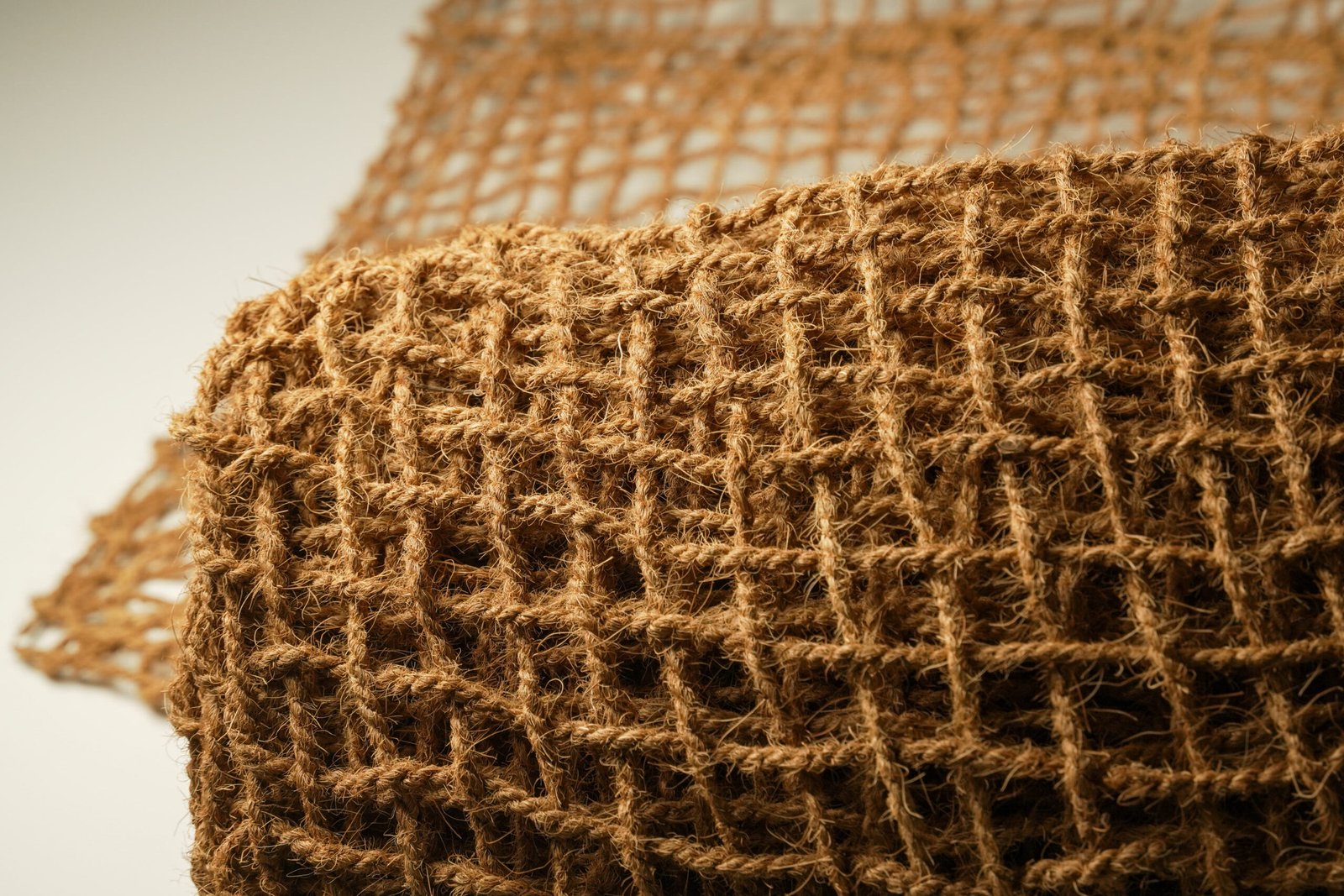
Installation Steps for Best Erosion Control Results
Use these steps for coir mats 400 / 700 / 900 / 1400 GSM. For steep slopes or high-flow areas, use denser GSM and more fixing pins.
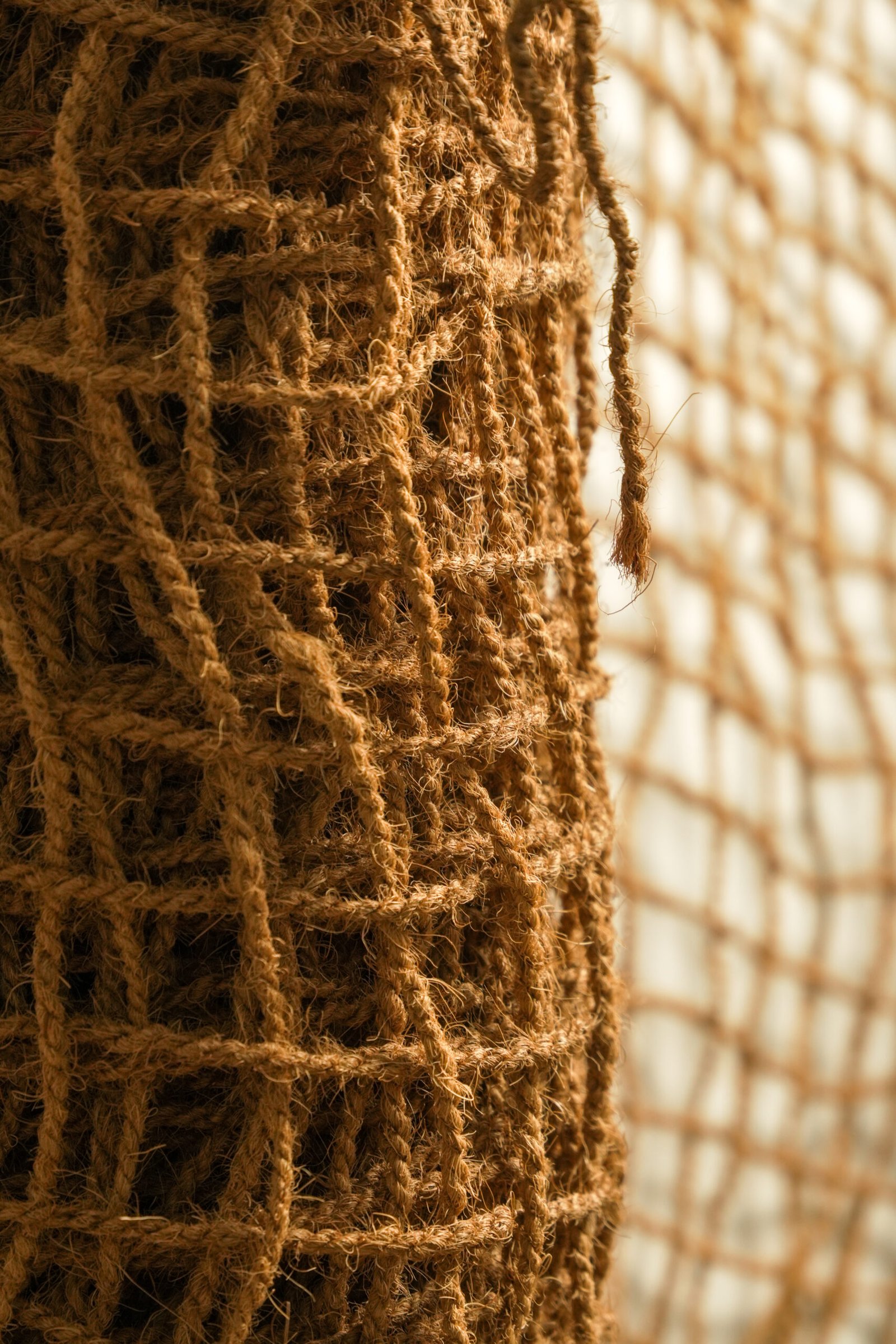
Prepare the Site Surface
Remove loose stones, weeds, and sharp debris. Level the surface and fill small gaps so the mat sits flat without air pockets.
Optional: Apply Seed & Topsoil
If the project includes revegetation, spread seeds and a thin layer of topsoil/compost before placing the mat.
Roll Out the Coir Mat Correctly
Place the mat tightly on the surface. For slopes, start at the top and roll downward to prevent lifting due to runoff.
Overlap the Edges
Overlap adjacent mats to avoid gaps and soil washout between joints. Ensure overlap follows water flow direction.
Fix Using Stakes / Pins
Secure the mat using pins/stakes at edges, overlaps, and across the surface. Use more pins for steeper slopes & higher flow areas.
Watering & Initial Monitoring
Water lightly to settle soil and improve seed contact. Inspect after heavy rain and re-fix any lifted edges immediately.
What You Need for Installation
Keep tools ready to ensure a clean, tight fit and long-term stability.
Fixing Pins / Stakes
Use steel/wooden stakes to secure edges and overlaps. Higher GSM needs stronger fixing.
Cutter & Measuring Tape
Cut mat to fit curves, drains, and boundaries. Measure for proper overlaps.
Safety & Site Tools
Gloves, rake, shovel, and hammer for surface prep and pin fixing.
Do’s and Don’ts for Long-Term Performance
Small mistakes can cause lifting and washout. Follow these points during installation.
- Install mats tightly with full contact to soil.
- Overlap joints and secure overlaps using pins.
- Increase pin density on steep slopes and edges.
- Check after heavy rain and re-fix if needed.
- Use suitable GSM based on erosion severity.
- Don’t leave gaps between mats or at boundaries.
- Don’t install on loose soil without preparation.
- Don’t under-fix—especially in high flow zones.
- Don’t cut corners near drains/edges without sealing.
- Don’t ignore early lifting—it gets worse over time.
Choose the Right Coir Mat GSM for Your Site
Selecting correct GSM improves stability and reduces maintenance.
Best for landscaping, gentle slopes, and low erosion areas where easy handling is needed.
Suitable for moderate slopes, roadside embankments, and standard erosion-prone zones.
Recommended for steep slopes, construction sites, and areas with stronger runoff impact.
For high-flow riverbanks, channels, and extreme erosion control projects requiring maximum anchoring.
Common Installation Questions
Quick answers to help you avoid on-site issues.
How many pins/stakes should we use? +
Do we need to put seeds under the mat? +
Can coir mats be installed near water channels? +
What should we do after heavy rain? +
Get GSM Recommendation + Installation Support
Share your site type (slope/riverbank), erosion severity, and area size. We’ll recommend the best GSM and the right fixing approach.
- Site type: slope / riverbank / landscaping
- Approx slope angle or water flow intensity
- Area size (length × width)
- Preferred GSM (if known)